
FILE PHOTOS
ScrumAtMe Investigation | 22 November 2026
South Africa have lost to France and Ireland. They have nevertheless qualified for the inaugural Nations Championship Grand Final, where France now await them at Twickenham. Coach Stick deserves recognition for stepping forward during Rassie Erasmus’s suspension. Siya Kolisi deserves recognition for leading the team through a difficult finish to the campaign. But behind the qualification lies a much bigger conversation: selection, transformation, player development, physical performance and whether South African rugby is identifying all the talent available to it.
First, congratulations to the Springboks.
Congratulations to Siya Kolisi and the players. Congratulations to the coaching group. And a special congratulations to Coach Stick, who stepped into the public leadership spotlight while Rassie Erasmus served his suspension.
Two consecutive defeats. Still through to the final.
At this rate, Coach Stick is making a case for being one of the greatest coaches in rugby history.
That is a remarkable achievement, and he deserves genuine recognition for it.
South Africa lost 21–19 to France on 13 November, then 20–17 to Ireland in Dublin on 21 November. The losing bonus point against Ireland proved decisive: South Africa finished top of the Southern Hemisphere standings and secured its place in the inaugural Nations Championship Grand Final.
And now the destination is confirmed.
The Southern Hemisphere’s top-ranked team meets the Northern Hemisphere’s top-ranked team.
There is something extraordinary about the situation. South Africa have reached the final without winning either of their last two Tests. That is not a reason to dismiss the achievement. It is a reason to examine how the team arrived here, what went wrong, and what must improve before France.
The final is a prize. It is not an eraser.
It does not erase the missed opportunities in Paris. It does not erase the problems in Dublin. And it certainly does not remove the responsibility to examine the squad that will carry South African rugby into 2027.
We can celebrate the qualification and still ask uncomfortable questions. In fact, we should.
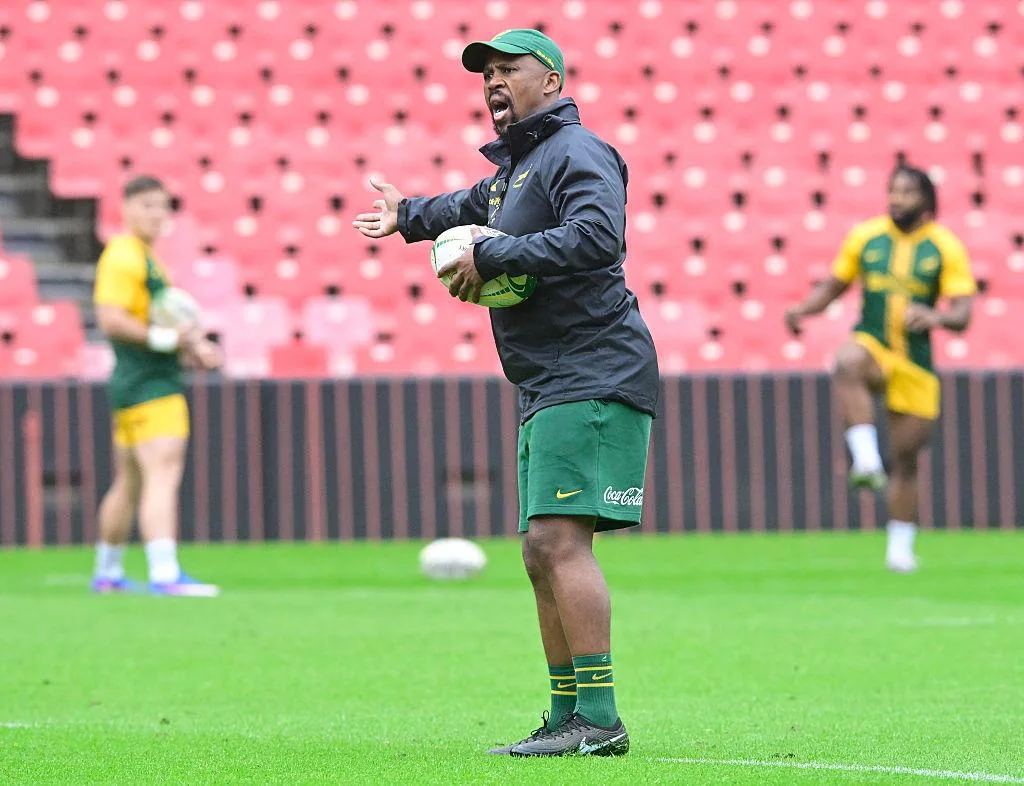
Mzwandile Stick’s journey into the Springbok coaching environment was built through years of work in South African rugby. He did not arrive in the national setup without a coaching record or a pathway behind him.
After beginning his coaching career in the Eastern Province structures, Coach Stick guided the Eastern Province Under-19 side to the provincial title in 2015. That achievement helped earn him promotion to the Southern Kings coaching setup.
In December 2015, Coach Stick was appointed backline coach of the Southern Kings for the 2016 Super Rugby season. He was part of the coaching group preparing the franchise for its Super Rugby campaign. Southern Kings head coach Deon Davids publicly described him as a great asset to the team and recognised the contribution he had made during that preparation period. In April 2016, Coach Stick was appointed as a Springbok assistant coach under newly appointed head coach Allister Coetzee. His appointment followed his progression through Eastern Province rugby and his work with the Southern Kings in Super Rugby.
His playing credentials were equally significant. Coach Stick captained the Springbok Sevens team during the 2008–09 World Rugby Sevens Series, when South Africa won the series title for the first time. He also represented South Africa in the 15-a-side game. He comes from New Brighton, Gqeberha.
Coach Stick has since been part of the Springbok coaching structures behind the 2019 and 2023 Rugby World Cup victories. That is a substantial contribution to South African rugby.
During Rassie Erasmus’s suspension, Coach Stick became one of the most visible figures in the coaching group. Rassie Erasmus remained the Springbok head coach but was serving the first match of his six-match suspension, as covered in ScrumAtMe’s Daily Scrum article, “Rassie Erasmus — Six Matches for Asking Questions?”
Coach Stick deserves recognition for taking on that responsibility during a difficult moment. His contribution should be understood in the context of the career he has built, the experience he brings to the national setup and the success of the coaching group of which he has been a part.
After the Ireland defeat, the issues identified included discipline, execution, kicking and the aerial game. Those are not minor details. At Test level, they are the difference between controlling a match and chasing it.
The question for the coaching group is straightforward:
What exactly is being changed before the final against France?
Not simply what is being discussed in meetings. What is changing in selection, preparation, execution and match management?
The Springboks have one more major international before the focus turns fully towards the 2027 Rugby World Cup. There is no value in pretending that the final two performances were satisfactory simply because qualification was achieved.
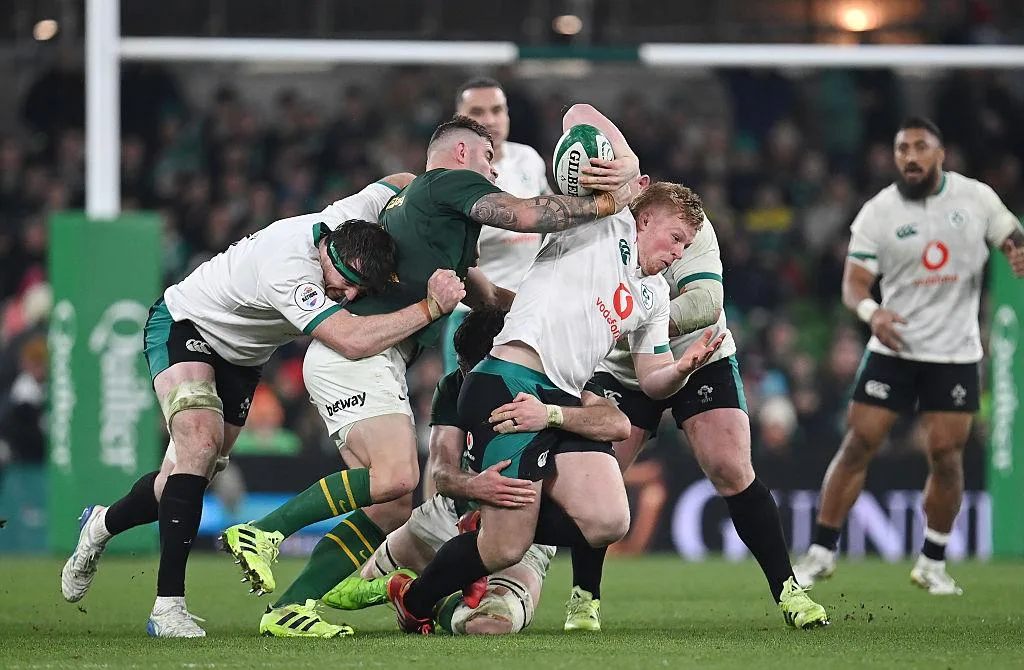
The final score tells us Ireland won by three points. The match statistics tell us something more complicated.
South Africa made more metres and more clean breaks. Ireland made more carries, beat more defenders, had slightly more possession and territory, and scored one more try.
| Statistic | Ireland | South Africa |
|---|---|---|
| Final score | 20 | 17 |
| Tries | 3 | 2 |
| Metres gained | 313 | 353 |
| Carries | 125 | 114 |
| Defenders beaten | 32 | 22 |
| Clean breaks | 4 | 5 |
| Passes | 168 | 119 |
| Offloads | 8 | 8 |
| Tackles made | 154 | 163 |
| Possession | 52% | 48% |
| Territory | 51% | 49% |
| Turnovers conceded | 14 | 10 |
Match-centre and detailed statistical figures recorded in the research dossier; see the source register below.
South Africa made 40 more metres than Ireland. Yet Ireland scored three tries to South Africa’s two.
That is the first important distinction: territorial progress and attacking productivity are not the same thing.
South Africa could make ground, but Ireland repeatedly made the Springboks pay for errors in execution and defensive organisation.
| Statistic | Ireland | South Africa |
|---|---|---|
| Lineouts won | 9/10 | 15/17 |
| Lineout success | 90% | 88.2% |
| Scrums won | 5/6 | 8/9 |
| Scrum success | 83.3% | 88.9% |
| Penalties conceded | 8 | 11 |
| Turnovers won | 6 | 5 |
The scrum was a Springbok strength. South Africa won eight of nine scrums, compared with Ireland’s five from six.
So let us be precise: this was not a straightforward case of the Springbok pack being physically overwhelmed across the board.
The discipline gap was more concerning. South Africa conceded 11 penalties; Ireland conceded eight.
Three additional penalties in a three-point defeat. That is not an abstract statistic. It is a match-defining difference.
The match report records Ireland’s first-half control, the Springbok response through the scrum and the late pressure that Ireland successfully defended.
South Africa came close. But close is not the same as complete.
And the question is not simply why the Springboks lost. It is why a team with this level of experience and talent continues to leave important parts of its performance below the standard it expects from itself.
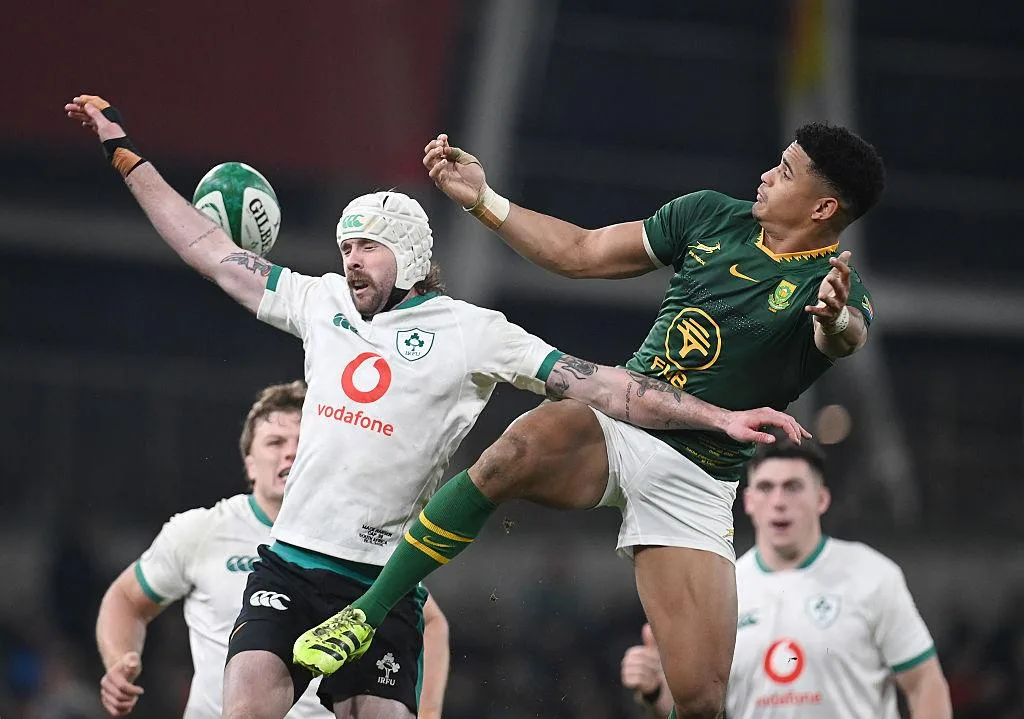
The aerial game has become one of the most important concerns in the Springboks’ recent performances.
This is not a new observation invented after Dublin. Coach Stick acknowledged that South Africa’s aerial execution had been below standard in both Paris and Dublin. The coaching group recognised that opponents had worked hard to counter the Springbok kicking game.
That admission matters.
The Springboks have built a reputation around pressure, territory, physicality and the ability to turn kicks into attacking opportunities. But a kick is not automatically a tactical success because the ball travels 40 metres downfield.
The real questions are:
Robert Baloucoune scored twice against South Africa. His attacking threat was obvious, but the wider aerial contest deserves examination too.
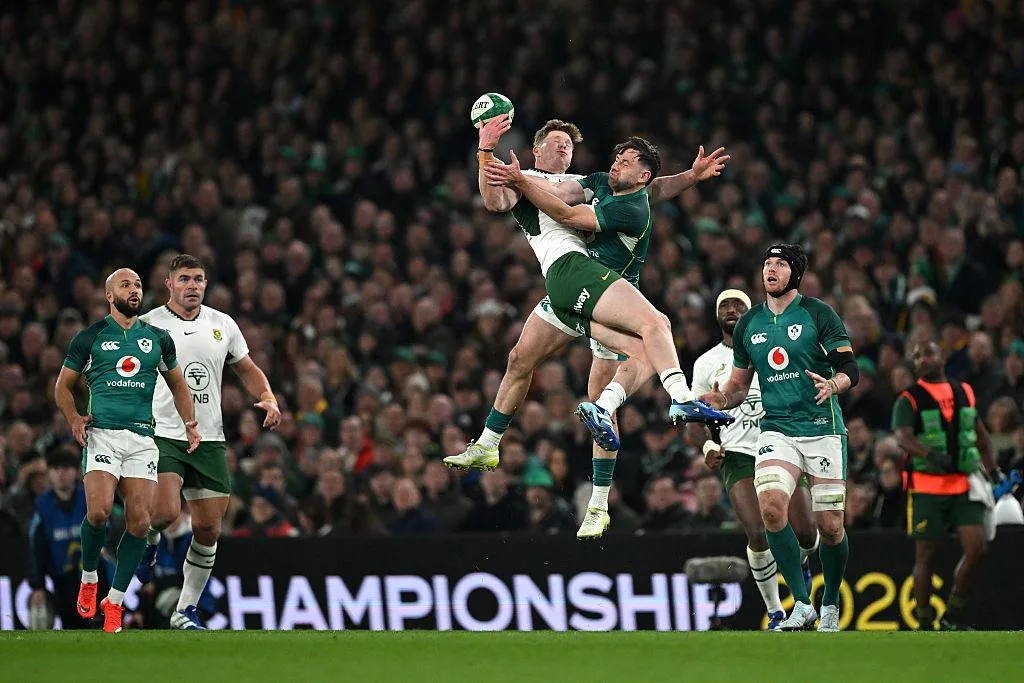
Ethan Hooker worked hard chasing kicks. Kurt-Lee Arendse also competed well under the high ball. It would be inaccurate to describe every Springbok back as having failed in this area.
But that is precisely why we need player-level data rather than general impressions.
A proper aerial comparison should include contested kicks, catches retained, contest wins, knock-ons, restart reception, kicks recovered and the territory gained after each contest.
A player’s height is not an aerial statistic. A player’s reputation is not an aerial statistic. The result of the contest is the statistic.
The same principle applies to the comparison raised around Hooker and the opposing Irish player. We need the exact player, the number of contests, the outcomes and the context of each kick before declaring one player superior. An opponent’s ancestry or perceived racial identity tells us nothing reliable about his individual jumping ability.
| Aerial measure | What it tells us |
|---|---|
| Contested kicks attempted | How often a player is tested |
| Contests won | Whether the player secures possession |
| Contest success % | Performance relative to opportunities |
| Clean catches | Handling under pressure |
| Knock-ons and spills | Possession lost |
| Restart receipts | Reliability after scoring |
| Post-catch metres | Whether possession becomes territory |
| Support at landing zone | Whether the team protects the receiver |
The Springboks do not need a backline that merely looks imposing under a high ball. They need one that consistently wins the contest.
And that brings us to two players whose careers demonstrate why the discussion about rugby ability must be much broader than body size.
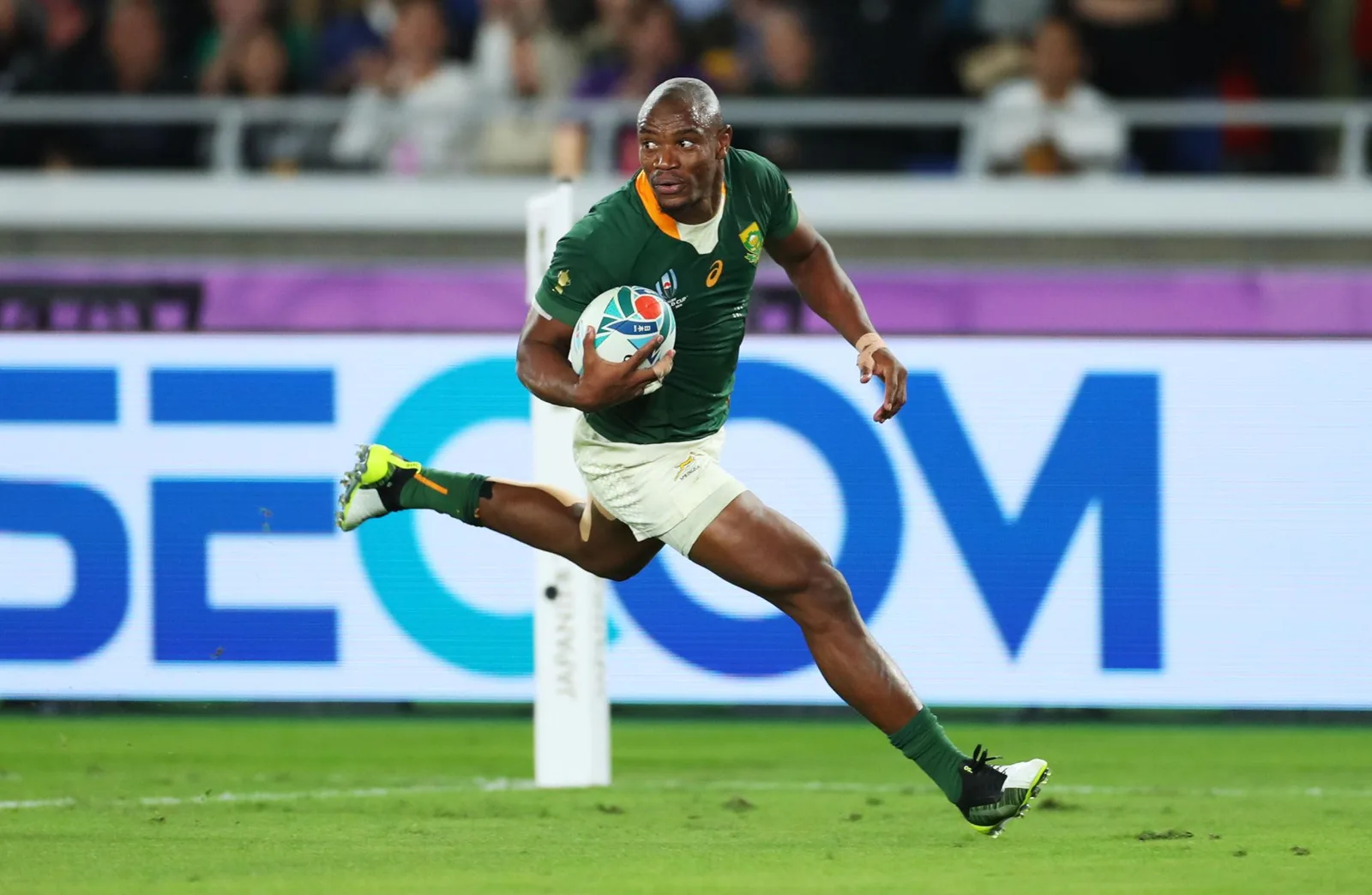
Makazole Mapimpi’s story should be part of every serious discussion about the South African rugby pathway.
He did not follow the conventional elite-school route that has historically been prominent in the development of professional rugby players.
His journey took him through the Eastern Cape, Jim Mvabaza Secondary School, the amateur and provincial structures, Border Bulldogs, Southern Kings and Free State Cheetahs before he established himself with the Sharks and earned his Springbok debut in 2018.
He became a two-time Rugby World Cup winner and scored South Africa’s first try in a Rugby World Cup final.
That is not a story about charity selection. It is a story about talent that was developed, recognised and converted into world-class performance.
The available player-profile snapshot records:
| Metric | 2025/26 |
|---|---|
| Appearances | 11 |
| Starts | 10 |
| Minutes | 714 |
| Tries | 4 |
| Carries | 54 |
| Metres made | 270 |
| Gainline crossings | 29 |
| Tackles made | 30 |
| Tackles attempted | 48 |
| Tackle success | 62.5% |
| Aerial performance percentile | 88th |
Season totals and player-profile comparison; the 88th percentile refers to the profile’s comparison group of URC back-three players who met its minimum playing-time threshold.
The aerial percentile is especially relevant to the current discussion. It challenges the idea that a player’s value under the high ball should be judged by appearance or assumption.
Mapimpi’s game involves finishing, timing, positioning, acceleration, spatial awareness and execution. His career is evidence of what can happen when a player from outside the most visible development routes is given the opportunity to progress.
But one Mapimpi is not enough.
How many players with comparable potential never reach a provincial academy? How many are missed because they are not playing in the right school competition? How many are not seen by the right scout? How many are physically less developed at 15 or 16, then mature into exceptional athletes after the system has already moved on?
South Africa cannot celebrate the Mapimpi story while refusing to examine how many Mapimpi stories never happen.
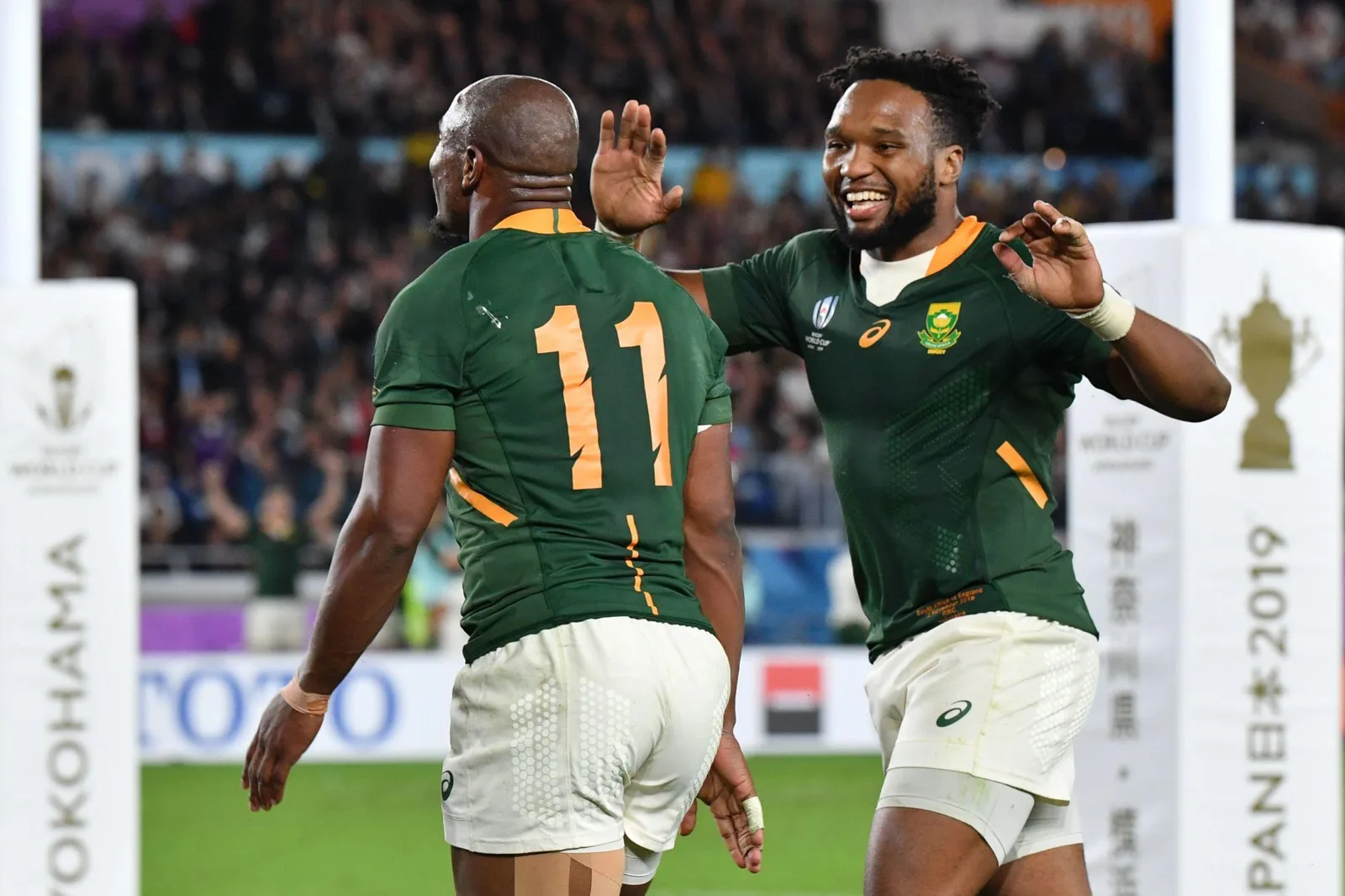
Lukhanyo Am provides another important part of this investigation.
If Mapimpi’s story demonstrates the importance of finding and developing finishing talent, Am’s game demonstrates why rugby ability cannot be reduced to physical dimensions.
Am’s strengths include anticipation, defensive organisation, reading attacking shapes, timing, passing decisions and execution under pressure.
The 2019 Rugby World Cup final gave the world one of the clearest examples of his technical ability. His pass created the opportunity for Mapimpi’s historic try.
That moment required more than strength. It required awareness, timing, spatial understanding and the ability to execute a technical action under the pressure of a World Cup final.
| Metric | 2025/26 |
|---|---|
| Appearances | 5 |
| Starts | 4 |
| Minutes | 276 |
| Tries | 1 |
| Carries | 21 |
| Metres made | 65 |
| Defenders beaten | 3 |
| Clean breaks | 3 |
| Offloads | 2 |
| Tackles made | 18 |
| Tackles attempted | 25 |
| Tackle success | 72% |
His profile also recorded three dominant tackles and placed his offloading in the 92nd percentile among the comparison group of URC centres who played at least 300 minutes in 2024/25.
There is an important limitation: Am’s 2025/26 sample was only 276 minutes. That is not a like-for-like comparison with players who played substantially more minutes.
But his profile illustrates a point that is often lost in debates about physical attributes.
A centre can influence a match before the tackle is made. A player can prevent an attack from developing through positioning, communication and anticipation. Those contributions are not always captured by metres gained or defenders beaten.
| Player | Key strengths illustrated |
|---|---|
| Makazole Mapimpi | Finishing, positioning, acceleration, aerial execution |
| Lukhanyo Am | Anticipation, defensive organisation, passing, decision-making |
These are complementary qualities.
A rugby team needs explosive athletes. It also needs technically gifted decision-makers. It needs players who can win collisions, players who can create space, players who can read the game and players who can finish.
The question for South African rugby is not which one of these qualities matters most.
It is whether the development system is identifying all of them.
This is where the conversation becomes more demanding.
South African rugby has a complicated history of access, opportunity, selection and representation. It also has a diverse population. If we are going to discuss physical profiles and rugby performance, we must use actual research rather than stereotypes dressed up as sports science.
There is a South African study directly relevant to this question.
Durandt, Green, Masimla and Lambert — “Changes in body mass, stature and BMI in South African elite U18 Rugby players from different racial groups from 2002–2012.”
Published in the Journal of Sports Sciences in 2018.
The researchers examined self-reported body mass and height among 4,007 elite U18 rugby players who attended the national tournament between 2002 and 2012. BMI was calculated from those measurements.
| Measurement | White players compared with Black players | Black players compared with Coloured players |
|---|---|---|
| Average body mass | +9.8 kg | +2.3 kg |
| Average height | +7.0 cm | +0.5 cm |
| Average BMI | +0.9 kg/m² | +0.7 kg/m² |
All reported differences were statistically significant at P < 0.0001.
It tells us that, within this selected elite South African U18 rugby cohort, average body mass, height and BMI differed between the racial groups studied.
That is a real research finding. It should not be ignored because it complicates the debate.
But there is an equally important distinction.
The study did not measure sprint speed, vertical jump, acceleration, agility, reaction time, endurance, aerial contest success, tackling technique or rugby intelligence.
It cannot be used to claim that one racial group is naturally faster, another naturally stronger, or another naturally more agile.
Those are different research questions. They require different tests.
The sample also consisted of players who had already reached a national elite U18 tournament. It was not a representative sample of every South African child, every rugby player or the general population.
And the study does not establish why the differences occurred. Nutrition, socioeconomic circumstances, biological maturation, training, position, coaching and access to facilities all matter when interpreting physical measurements.
A statistically significant difference between group averages is not a biological verdict on an individual player.
That distinction is essential.
The right question is not whether a player’s racial category tells us what he can do. It does not. The right question is whether South African rugby understands the physical profiles of its players, measures them properly and gives talent from every community the opportunity to develop.
Rugby is not one physical test.
A tighthead prop, a blindside flanker, an inside centre and an outside wing are not required to produce identical physical outputs. They play different positions, perform different jobs and experience different match demands.
The science is clear on that point.
A 2021 study examined 176 rugby players across amateur, professional and international levels.
The sample included:
| Positional group | Players |
|---|---|
| Tight-five forwards | 63 |
| Loose forwards | 35 |
| Inside backs | 29 |
| Midbacks | 22 |
| Outside backs | 27 |
| Total | 176 |
Players completed 30-metre sprint testing, with two maximal trials separated by three minutes.
The study reported that international and professional players had faster sprint times and superior force-velocity profiles than club players. Outside backs were the fastest positional group. Forwards displayed more force-dominant profiles and greater sprint momentum than backs. Read the 176-player rugby sprint study.
The point is not that one position is more athletic than another.
It is that the physical qualities required for each position differ.
A wing needs exceptional speed and acceleration. A prop needs force production, scrum-specific strength, mobility and the capacity to repeat high-intensity collisions. A loose forward needs a combination of strength, speed, work rate and repeat-effort capacity.
Cousins and colleagues examined 89 elite rugby players using GPS data, perceived exertion and match-performance indicators. The study was published in the Journal of Strength and Conditioning Research in 2023.
The reported differences were substantial.
| Match demand | Forwards compared with backs |
|---|---|
| Tackles | 78% more |
| Tackle assists | 207% more |
| Breakdown entries | 324% more |
| Contact events | 117% more |
Backs covered more distance and more high-speed running. In matches, backs covered 7.6 metres per minute more total distance and 1.22 metres per minute more high-speed running distance than forwards.
This is why raw metres cannot be the only measure of a forward’s contribution.
A player might make fewer carries but perform a significant volume of defensive and collision work. A back might cover more distance and make more high-speed runs but perform fewer breakdown entries.
The comparison must be position-specific.
A 2026 systematic review examined 445 studies of physical characteristics and capacities in rugby union.
The review considered:
It also highlighted the variation in testing methods and outcome measures. There is no single universally accepted testing battery that can be applied identically to every rugby player and position.
A 2026 systematic review examined 204 studies on genetics and athletic performance.
The research indicated that genetic factors contribute to differences between individuals, but the effects of individual genetic variants are generally modest and context-dependent. The review also found that 71% of included studies used European-ancestry cohorts.
Its conclusion was important: current genetic evidence is insufficient to support individual talent identification, injury prediction or training prescriptions based on genetic testing.
That raises a research gap for South Africa. African populations remain underrepresented in much of the sports-genetics literature.
But it does not justify using race as a shortcut for predicting an individual player’s speed, power, endurance or jumping ability.
| Quality | Test or statistic | What it measures |
|---|---|---|
| Acceleration | 5 m and 10 m sprint | First-step explosiveness |
| Maximum speed | 30 m and 40 m sprint | Top-end speed |
| Explosive power | Countermovement jump | Lower-body power |
| Reactive strength | Drop jump / RSI | Rapid force production |
| Strength | Squat, bench press, pull strength | Absolute strength |
| Relative strength | Strength divided by body mass | Strength relative to size |
| Agility | Change-of-direction test | Ability to change direction |
| Endurance | Yo-Yo intermittent recovery test | Repeated high-intensity effort |
| Repeated effort | Repeated sprint test | Ability to repeat accelerations |
| Aerial ability | Contested-kick success | High-ball performance |
| Contact | Dominant tackles, post-contact metres | Physical impact |
| Decision-making | Tactical performance analysis | Rugby intelligence |
| Workload | GPS, match minutes, collision load | Fatigue and recovery |
The question for the Springbok system is not whether these tests exist. They do.
The question is whether they are applied consistently, interpreted by position and used to identify talent across the entire country.
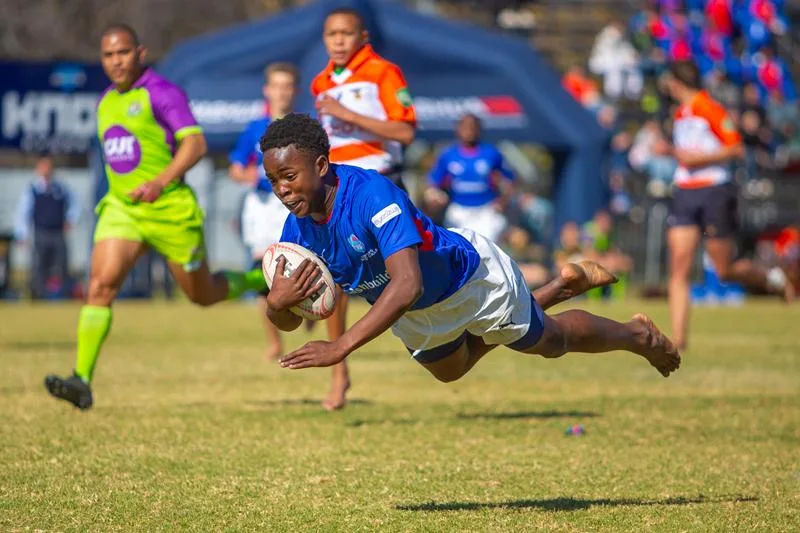
One of the most revealing studies in this entire investigation has nothing to do with the Springbok team.
It starts at U13.
Durandt, Parker, Masimla and Lambert examined the progression of players selected for the 2005 U13 Craven Week. The study followed whether those players subsequently appeared at the U16 Grant Khomo Week and U18 Craven Week tournaments.
The original cohort contained 349 players.
The results:
The study found that 31.5% of the original U13 cohort returned at U16 and only 24.1% appeared at U18. The authors raised concerns about selecting players at a young age when some may be physically more mature than their peers.
That is a serious development question.
At 13, physical maturity can create a significant advantage. A bigger, stronger, faster-maturing child may dominate a schoolboy match. But what happens when the other children grow? What happens when the early physical advantage disappears? What happens to the player who develops later but has already been overlooked?
The study does not prove that every player who disappeared from the pathway was a late developer. It does, however, show that early selection was a poor predictor of continued participation at the national U18 level for most of this particular cohort.
And, perhaps most importantly:
How many players are being lost before the system has had a fair chance to discover what they could become?
Mapimpi’s journey makes that question impossible to ignore.
The Springbok discussion cannot be separated from the domestic professional pathway.
The four South African URC franchises are the most important professional environments in which a large part of the country’s next generation is developed and assessed.
ScrumAtMe’s September 2026 investigation, Is It Racism or Natural Selection? Inside the System That Decides Who Gets to Play South African Rugby, examined 92 matchday places across the four South African URC teams over the 25–26 September weekend.
The recorded snapshot was:
| Category | Players | Share |
|---|---|---|
| Black African | 19 | 20.7% |
| Coloured | 16 | 17.4% |
| Black African + Coloured | 35 | 38.0% |
| Other players in the sample | 57 | 62.0% |
| Total | 92 | 100% |
The team-level figures recorded in that investigation were:
| URC team | Players of colour in the sample |
|---|---|
| Bulls | 7/23 |
| Lions | 6/23 |
| Stormers | 10/23 |
| Sharks | 12/23 |
The same snapshot recorded three white head coaches and one coach of colour, JP Pietersen at the Sharks.
These figures are a one-weekend snapshot. They are not a full-season average, a census of contracted players or a measure of minutes played. They are a starting point for a much larger investigation.
There are several different measurements that should never be confused:
A player can be contracted and rarely selected. A player can be selected but receive only a few minutes. A player can start regularly and still never receive a national opportunity.
The 2024 SA Rugby annual-report figures cited in the earlier investigation recorded an average of 35% Black contracted players across URC and EPCR teams, with an overall contracted-player split of 48% Black and 52% white.
Those are contracted-player figures. They cannot be directly compared with the September 2026 matchday sample as if they measured the same thing.
The important question is not simply who is on a club’s books. It is who gets onto the pitch, how often, in which positions and with how much responsibility.
South African rugby has formal transformation targets. They are not a secret, and they should not be treated as optional background information.
The research dossier records a 2030 SA Rugby target of 60% Black participation in the Springbok team and a corresponding target for South Africa A and senior national men's 15-a-side rugby.
The earlier 2023 targets included:
The historical Springbok representation figures recorded in the dossier were:
| Competition | Generic Black representation | Black African representation |
|---|---|---|
| 2023 Rugby Championship | 39% | 13% |
| 2023 Rugby World Cup | 38% | 16% |
South Africa won the 2023 Rugby World Cup while those figures remained below the stated targets.
That distinction matters.
Winning a World Cup does not automatically mean the transformation objectives have been met. Equally, missing a representation target does not establish that a player selected on merit did not deserve his place.
The two questions can and should be examined separately.
SA Rugby’s reporting framework distinguishes Black African representation from generic Black representation, which includes Black African, Coloured and Indian South Africans.
That matters when comparing statistics. If one report uses “Black” as a broad category and another reports Black African and Coloured separately, the figures cannot simply be placed beside each other without explaining the definitions.
The investigation must also distinguish national targets from club selection and competition rules. A national transformation target should not automatically be described as a URC match-selection quota.
If the national system has transformation targets, and the professional pathway is producing players across different communities, what is happening between those two points?
Where are the bottlenecks?
Are players being identified but not retained? Are they receiving contracts but not minutes? Are they developing in positions where the national team already has established depth? Are certain schools, provinces or academies providing a disproportionate share of the professional pipeline?
Those questions require a season-long audit, not one weekend of team sheets.
But they are exactly the questions that a serious rugby system should be able to answer.
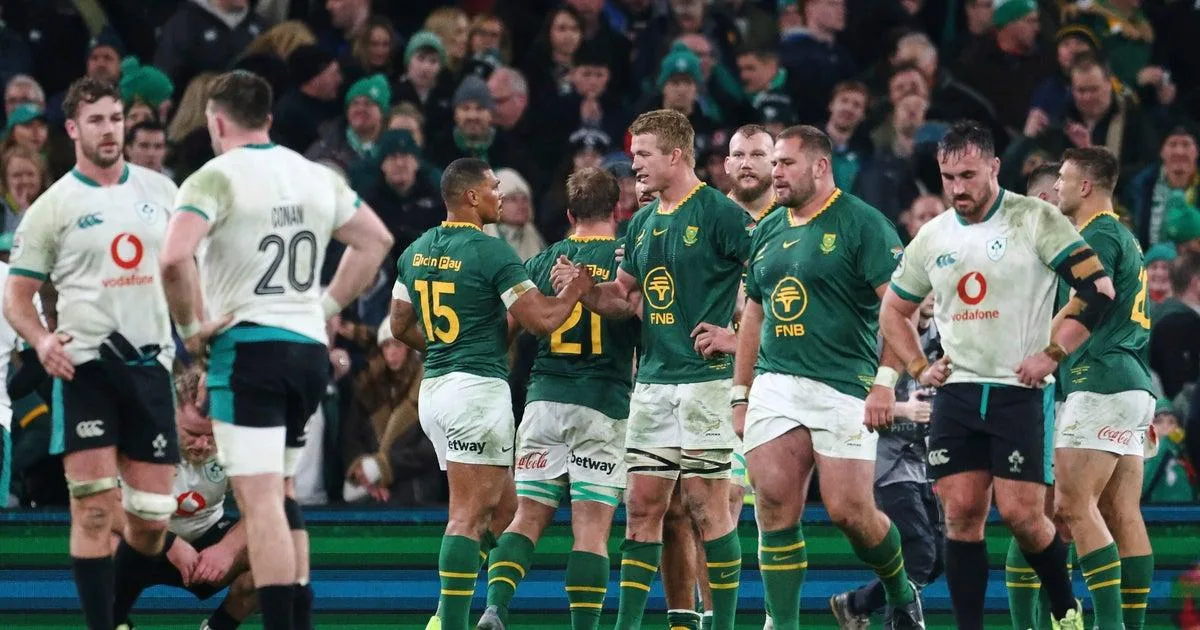
The composition of the Springbok team in the second half of the Ireland match is an important part of this investigation.
The starting XV, the matchday 23 and the players actually on the pitch are three different things. And because replacements entered throughout the second half, the on-field composition changed several times.
The recorded substitution sequence included:
The exact matchday composition is therefore not a single fixed second-half XV. The substitutions changed who was representing South Africa on the field as the match progressed.
But there is one detail that cannot be overlooked: when Siya Kolisi and Ox Nché left the field at the 47th minute, South Africa had no Black African players remaining on the pitch. Not one Black African player represented the Springboks for the remainder of the match.
This is not an argument that the individual substitutions were necessarily wrong on rugby grounds. It is an observation about representation and the opportunities available to players at the highest level.
South Africa's transformation commitments cannot be assessed by looking at the matchday squad alone. We must examine who starts, who comes off, who replaces them, who finishes the match and how many minutes players from different demographic groups actually receive.
That raises a further question: why is it so difficult for the public to obtain a clear, consistent picture of the demographic composition of the Springbok team across an entire match?
A matchday squad list is not enough. A starting XV is not enough. The public should be able to examine who is playing, how much they are playing and how the national team's representation changes across a campaign.
The same data should be available across the URC pathway.
If South African rugby wants public confidence in its selection and transformation policies, transparent data would help.
The Springboks have a deep player pool. But depth is not measured by the number of famous names available.
It is measured by whether the next player can perform the job when called upon.
The Ireland match raised questions about several individual selections and performances. Those questions need to be asked carefully, with respect for what players have achieved, but without allowing reputation to become a shield against scrutiny.
Mostert is an experienced international and a player with a significant contribution to South African rugby.
Against Ireland, the match data in the research dossier recorded 15 tackles in the first half and 47 minutes played.
That is a substantial defensive workload.
But Mostert plays in Japan, not the URC. The question is not whether he has earned respect. He has. The question is how the selection panel assesses his current club workload, fitness, recent competitive exposure and performance against the alternatives.
How much current match evidence is enough to justify selection at Test level? How is that evidence compared with players competing week after week in the URC?
Van Staden’s Ireland performance ended with a red card.
That was a serious disciplinary consequence in a match South Africa lost by three points.
The research dossier also raised questions about his limited URC minutes in the available 2026/27 snapshot, while recognising that he had other competitive rugby exposure.
One red card does not define a player’s entire career. But neither should a player’s reputation exempt him from questions about current form, match fitness and selection justification.
Wessels entered for Malcolm Marx at 61 minutes.
His lineout execution and the pressure of that introduction deserve examination. His positional role also matters: he is a hooker who can provide front-row cover, not simply a specialist prop.
The question is whether the balance of the matchday front row gave South Africa the right technical options for the final stages.
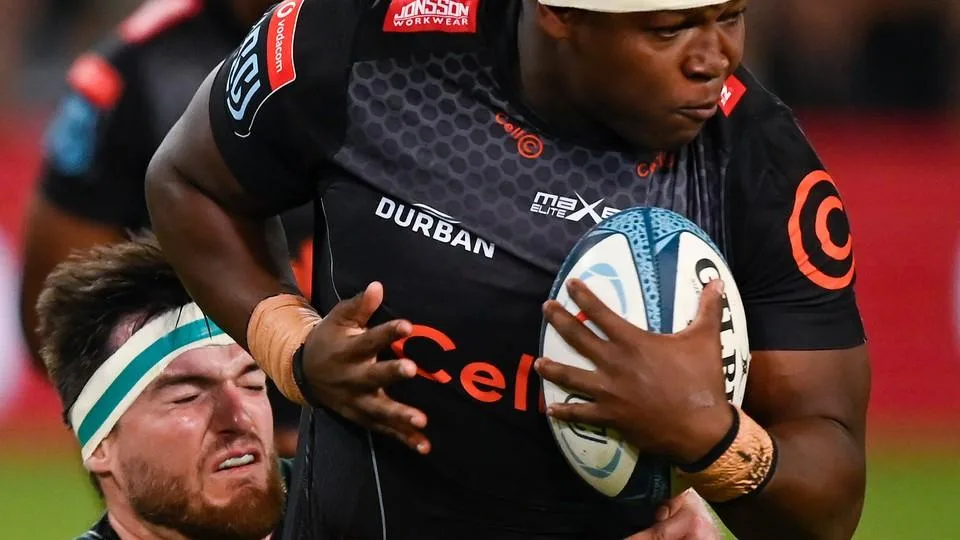
Mchunu is a loosehead prop whose domestic exposure deserves attention.
The earlier 2026/27 snapshot recorded two URC appearances and approximately 101 minutes. That is a limited sample, and it does not prove that he should have been selected ahead of another player.
But the wider question remains: how are the Springboks comparing the current form and development of their available looseheads?
A player’s position matters. A specialist loosehead is not automatically interchangeable with a prop who can cover more than one position. The technical demands of scrummaging, the ability to maintain pressure and the work required around the field all matter.
South Africa did have a specialist loosehead replacement against Ireland: Gerhard Steenekamp. Thomas du Toit came on at tighthead.
The available match figures recorded seven tackles for Steenekamp in 33 minutes. Du Toit made 23 metres from six carries and beat three defenders.
Those are useful contributions, but they do not tell us everything about their scrum performance, technical execution or overall impact.
The question is not whether the replacement props made a few positive contributions. It is whether the Springboks can maintain their first-choice standard across the full 80 minutes.
For every player competing for a Springbok position, the comparison should include:
This is how merit should be examined: through evidence, not reputation, assumptions or selective examples.
South Africa made more metres than Ireland, won the scrum statistics and made more tackles.
So the answer cannot simply be that the Springboks lacked physicality.
But go-forward is more complicated than total metres.
It includes:
Ireland beat 32 defenders to South Africa’s 22. Ireland also made more carries.
That suggests a difference in the way the two sides created and sustained attacking pressure, even though South Africa recorded the higher total metres gained.
The Springboks need to examine how often their carries created fast, playable ball — and how often the attack became static after contact.
Ox Nché is an important part of the Springbok front row. His ability to contribute around the field as well as in the scrum is part of his value.
But the team cannot rely on one player to provide a particular level of impact. The replacement must be able to maintain the technical and physical standard.
That is why the selection of specialist front-row players, their match exposure and their ability to maintain performance late in the game deserve proper attention.
A replacement does not need to be identical to the starter. But the team needs to understand what it gains and what it loses when the change is made.
The Springboks have played a demanding international campaign. The temptation is to look at the recent performances and declare that the team is tired.
But fatigue cannot be proven by appearance alone.
To establish whether workload is affecting performance, the coaching group would need to examine:
The Ireland match showed both positive and negative evidence.
South Africa made more metres, won the scrum battle and made more tackles. But the team also missed more tackles, conceded more penalties and struggled to convert its attacking opportunities.
That combination could be consistent with fatigue, tactical problems, poor execution or several factors operating together.
The available match statistics cannot distinguish between those explanations.
The correct question is not whether the players looked tired.
It is whether the workload data shows a pattern of declining performance, and whether that pattern is visible in the final 20 minutes of matches.
The Springboks remain one of the leading teams in world rugby. Reaching the Nations Championship Grand Final is an achievement.
But the road to 2027 is not simply about selecting the most experienced players and hoping that the same formula works again.
The team needs to be prepared across every position, with sufficient depth to maintain its standards when replacements enter.
Five areas demand attention.
The team must improve its ability to compete for high balls, secure restarts and turn kicks into possession.
Eleven penalties conceded against Ireland compared with Ireland’s eight is a meaningful difference. South Africa cannot repeatedly give opponents territory and opportunities.
South Africa made more metres and more clean breaks, but scored fewer tries. The question is how to convert territorial progress into points.
The team needs more than a strong starting XV. It needs replacements who can maintain the technical, physical and tactical standard.
The system must identify talent beyond the most visible school and academy structures, develop it properly and provide meaningful professional opportunities.
And the transformation question runs through all five.
A country with South Africa’s population and rugby history should be able to examine its talent pipeline in detail. It should know where players are being identified, where they are being lost, who is receiving opportunities and whether selection is reflecting the depth of talent available.
The public should not have to rely on isolated matchday snapshots to understand the pathway.
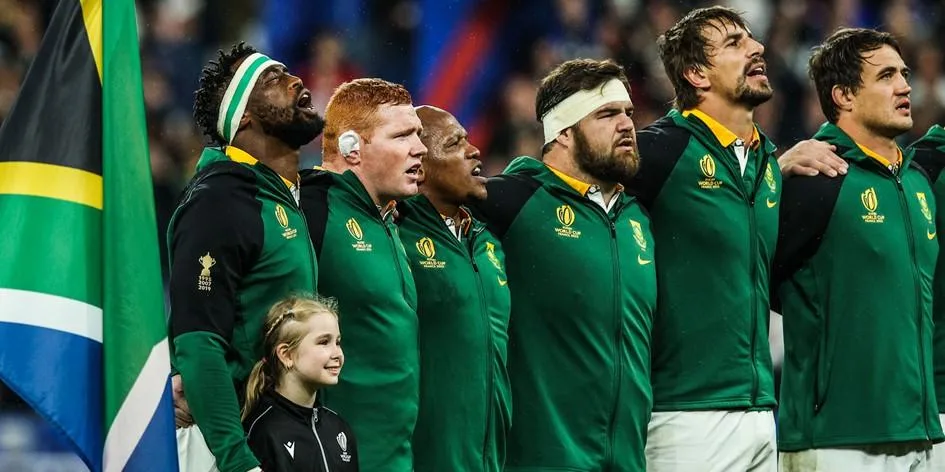
Congratulations to the Springboks for reaching the Nations Championship Grand Final.
Congratulations to Siya Kolisi. Congratulations to Coach Stick. And congratulations to the entire coaching group for navigating a difficult period and getting the team to Twickenham.
Now comes France.
But beyond the final, there is a much bigger responsibility.
South Africa has a diverse population, a vast rugby talent pool and a history of producing exceptional players from different backgrounds and different pathways.
The research shows measurable differences in average height, body mass and BMI among racial groups in one selected elite U18 cohort. Sports-science research shows that physical demands vary substantially by position and level of competition. The U13 pathway study shows that most players selected for one national youth tournament did not appear at the national U18 tournament.
Mapimpi’s career shows what can happen when talent from outside the conventional elite-school route reaches the highest level. Am’s career demonstrates that technical skill, anticipation and decision-making are as important to rugby as physical power.
The URC snapshot raises questions about representation. The Springbok matchday composition raises questions about who is receiving opportunities. The selection debate raises questions about current form, player workload and the balance between experience and development.
None of these questions can be answered by a slogan.
And none should be dismissed because the Springboks have won trophies.
The real test of a rugby system is not only whether it can produce a world champion. It is whether it can consistently identify, develop and select the best available talent from the entire country.
So, as the Springboks prepare to face France at Twickenham, here are the questions we believe South African rugby must answer:
The final against France will give us another performance to analyse.
But the bigger investigation will not end with the final whistle.
South African rugby has the talent. The question is whether the system is finding all of it.
Sources: SA Rugby · Reuters · Sky Sports · Rugby Australia · Octafield · Sharks player profiles · Durandt et al. (U18 study; U13 pathway study) · Cousins et al. · News24 · SABC News · ScrumAtMe